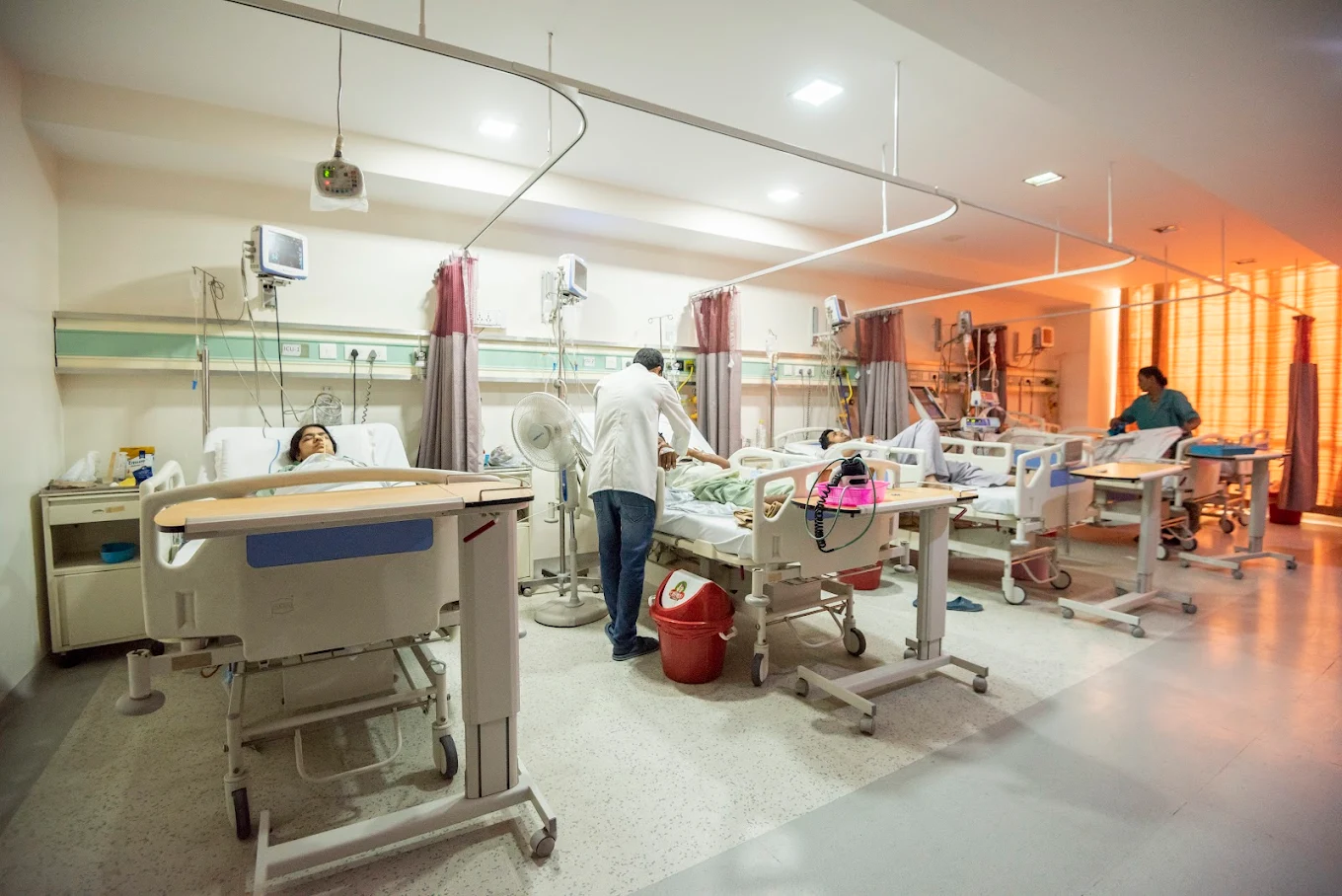


A loved one suddenly develops severe breathing difficulty. Their oxygen level drops rapidly, they're rushed to the hospital, and within minutes they're admitted to the ICU. In situations like these, every decision matters, and every minute counts.
This is where a Critical Care Specialist in Niti Khand becomes essential.
At our center, we've cared for many patients facing life-threatening illnesses. One thing we've consistently seen is that early intervention by an experienced critical care specialist can significantly improve recovery and reduce complications.
A critical care specialist, also known as an intensivist, is a doctor trained to manage patients with serious or life-threatening medical conditions. They work primarily in the Intensive Care Unit (ICU), where patients require constant monitoring and advanced treatment.
They commonly treat:
Severe pneumonia
Respiratory failure
Sepsis (serious body-wide infection)
Acute asthma attacks
COPD exacerbations
Multi-organ failure
Severe lung infections
Poisoning
Major trauma
Post-operative complications
Their responsibility is to stabilize patients, manage critical illnesses, and coordinate care with other medical specialists.
Critical care isn't for routine illnesses. It's required when a patient's condition becomes unstable or life-threatening.
You should seek immediate medical attention if someone experiences:
Severe shortness of breath
Very low oxygen levels
Sudden unconsciousness
Severe chest infection with breathing difficulty
Septic shock
Respiratory failure
Complications after major surgery
Serious asthma attacks not responding to treatment
Severe COPD flare-ups
These emergencies require expert monitoring and rapid medical intervention.
Critical care specialists use advanced medical equipment and evidence-based treatment to support the body's vital functions while treating the underlying illness.
Patients who cannot breathe effectively on their own may require mechanical ventilation until their lungs recover.
Heart rate, blood pressure, oxygen levels, and organ function are monitored around the clock to detect even small changes.
Serious infections such as pneumonia and sepsis require immediate diagnosis, targeted antibiotics, and intensive monitoring.
If organs like the kidneys or lungs begin to fail, critical care specialists coordinate life-support therapies and specialized treatments.
One of our patients, a 70-year-old gentleman, was admitted with severe pneumonia and dangerously low oxygen levels. His family thought oxygen therapy alone would be enough, but his condition deteriorated rapidly.
After immediate ICU admission, ventilator support, and aggressive infection management, his condition gradually improved. Within two weeks, he was discharged with a recovery plan and regular pulmonary follow-up.
Prompt critical care helped prevent life-threatening complications.
Many families fear that being admitted to the ICU means there is little hope for recovery.
In reality, the ICU is designed to provide the highest level of medical care when patients are critically ill. Early ICU admission often allows doctors to detect complications quickly and begin advanced treatment before permanent damage occurs.
Seeking intensive care early is often one of the best decisions during a medical emergency.
Critical illnesses can worsen within minutes or hours.
Choosing a Critical Care Specialist in Niti Khand as early as possible can help:
Stabilize life-threatening conditions
Detect complications early
Improve oxygen delivery
Reduce the risk of organ failure
Coordinate specialized treatment
Increase the chances of recovery
Timely medical intervention often leads to significantly better outcomes.
According to the Society of Critical Care Medicine (SCCM), early recognition and prompt ICU management remain among the most important factors in improving survival rates for patients with respiratory failure, sepsis, and other life-threatening conditions. Current critical care guidelines continue to emphasize rapid intervention and multidisciplinary treatment to improve patient outcomes.
This reinforces why delays in emergency care should always be avoided.
Families facing medical emergencies need confidence in both the doctor and the treatment plan.
Patients appreciate specialists who:
Respond quickly during emergencies
Explain complex situations clearly
Coordinate care with multiple specialists
Monitor patients continuously
Focus on both immediate stabilization and long-term recovery
This patient-focused approach has helped many critically ill patients receive timely, compassionate care.
Dr. Ankit Bhatia is experienced in managing critically ill patients with severe respiratory diseases and complex medical conditions. His expertise includes respiratory failure, pneumonia, COPD exacerbations, asthma emergencies, and ICU care. He is known for combining evidence-based treatment with compassionate communication, ensuring both patients and families feel informed throughout the treatment journey.
A critical care specialist manages patients with life-threatening illnesses in the ICU by providing advanced monitoring, life-support treatments, and coordinated medical care.
No. ICU admission depends on the severity of the condition, overall health, and how much respiratory support the patient requires.
Yes. Many patients recover successfully with timely diagnosis, expert critical care, and appropriate follow-up, although recovery depends on the underlying illness and its severity.
Medical emergencies require fast decisions and experienced care. Whether it's severe pneumonia, respiratory failure, or another life-threatening condition, early intervention can make a significant difference.
If you're looking for a trusted Critical Care Specialist in Niti Khand, schedule a consultation or seek immediate medical attention when needed. Expert diagnosis, advanced ICU management, and compassionate care can help protect your health when every moment counts.