

When someone you love suddenly struggles to breathe, develops severe pneumonia, or lands in the ICU after a medical emergency, the last thing you want is confusion about who is treating them. Many families hear terms like "critical care specialist" but don't fully understand what that means or when one becomes essential.
At our center, we've supported families through these stressful situations, helping patients receive timely intensive care when every minute matters. If you're searching for a Critical Care Specialist in Gyan Khand, understanding their role can help you make faster, more informed decisions.
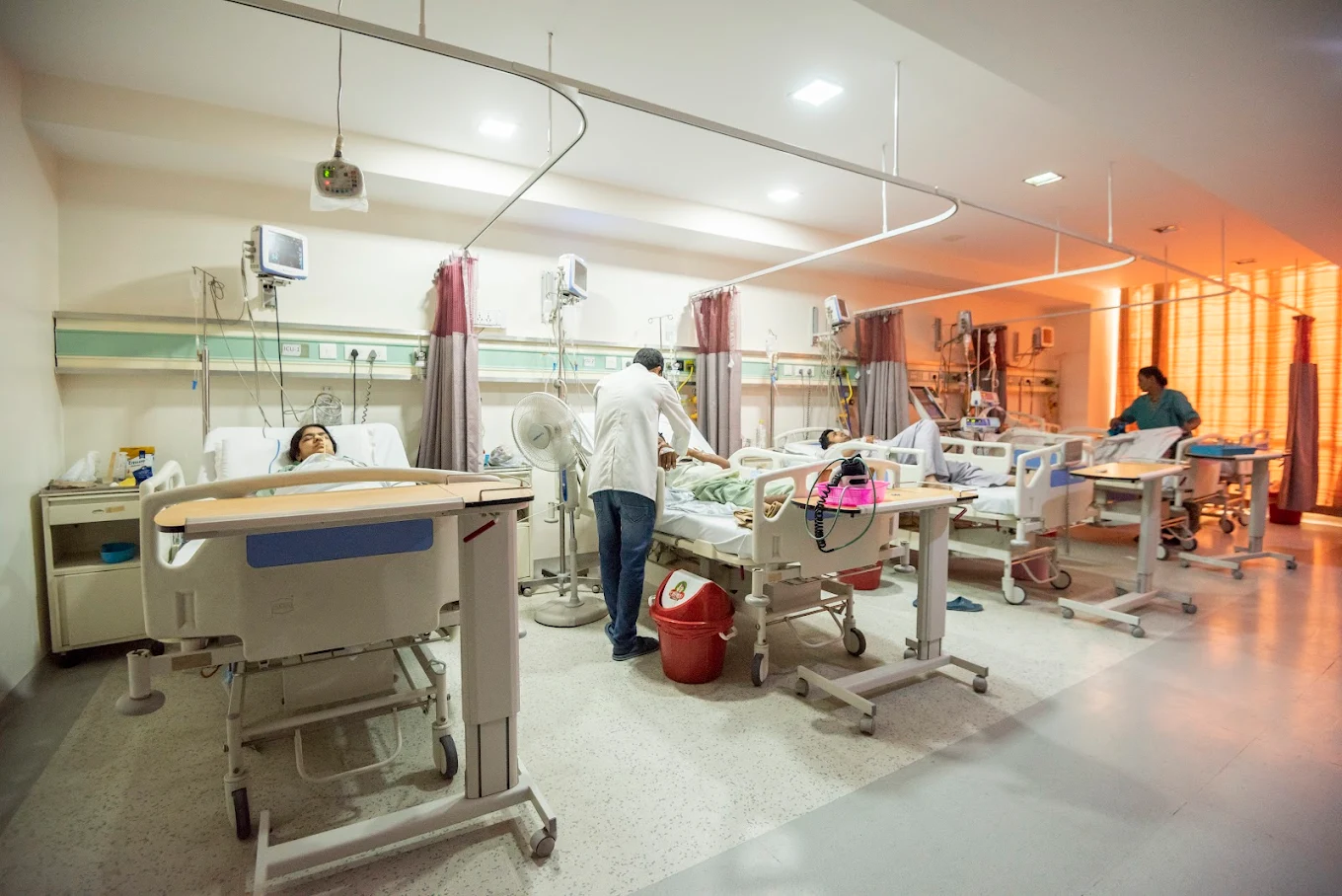
A critical care specialist, also known as an intensivist, is trained to manage patients with life-threatening illnesses or injuries. They work in Intensive Care Units (ICUs), where patients require continuous monitoring and advanced medical support.
Unlike routine medical care, critical care focuses on stabilizing patients whose vital organs—such as the lungs, heart, or kidneys—are not functioning properly.
Choosing an experienced Critical Care Specialist in Gyan Khand ensures that complex medical conditions receive immediate and expert attention.
Not every hospitalization requires ICU care, but certain conditions do.
You should seek care from a Critical Care Specialist in Gyan Khand if a patient is experiencing:
Severe pneumonia
Acute respiratory failure
Sepsis (a serious infection affecting the body)
Multi-organ failure
Serious asthma attacks
Complications from COPD
Severe COVID-19 or viral pneumonia
Shock or dangerously low blood pressure
Poisoning or drug overdose
Major trauma or post-surgical complications
These situations require constant monitoring, specialized equipment, and rapid medical decisions.
One of our patients, a 67-year-old man with diabetes, was admitted with high fever and difficulty breathing. Initially, his family believed it was just another chest infection.
Within hours, his oxygen levels dropped significantly due to severe pneumonia. After immediate ICU admission and treatment under our critical care team, he gradually recovered and was discharged after two weeks.
This case highlights why delaying specialized care during serious illness can be dangerous.
When the lungs cannot supply enough oxygen or remove carbon dioxide effectively, patients may require oxygen therapy or ventilator support.
Life-threatening infections such as sepsis require aggressive treatment and continuous monitoring.
Heart attacks, heart failure, and rhythm disturbances often need intensive care support.
Stroke, seizures, and traumatic brain injuries frequently require ICU management.
Patients undergoing major surgeries may temporarily need intensive care for close observation.
Many families assume ICU admission means there is no hope.
That simply isn't true.
ICUs exist to provide the highest level of medical care when patients are critically ill. Many people recover fully because they receive timely intensive treatment.
Some people believe waiting to "see if the patient improves overnight" is the safest approach.
In reality, serious conditions can worsen rapidly. Early ICU admission often prevents complications and improves survival rates. Acting quickly is often the difference between recovery and prolonged illness.
Every patient's treatment plan is unique.
Depending on the condition, the critical care team may provide:
Continuous heart and oxygen monitoring
Ventilator support
Advanced oxygen therapy
Intravenous medications
Dialysis support
Infection management
Blood pressure stabilization
Nutritional support
Treatment decisions are continuously adjusted based on the patient's condition.
Selecting the Critical Care Specialist in Gyan Khand isn't only about hospital facilities.
Experience matters because critically ill patients often require multiple treatment decisions every hour. A skilled specialist coordinates care, responds quickly to changes, and works closely with other specialists to improve outcomes.
According to recent 2024 critical care and respiratory health reports, early ICU intervention for severe respiratory illnesses significantly improves survival rates and reduces long-term complications, especially when treatment begins before organ failure progresses.
This reinforces the importance of seeking specialized care without delay during medical emergencies.
Dr. Ankit Bhatia is known for providing comprehensive respiratory and critical care with a patient-first approach. He focuses on evidence-based treatment, timely diagnosis, and coordinated ICU management for patients with severe respiratory illnesses, infections, and other critical conditions, helping families navigate medical emergencies with confidence and compassion.
Medical emergencies rarely come with warning signs.
If a loved one is experiencing severe breathing difficulty, serious infection, or any life-threatening condition, don't wait to see if things improve on their own. Consulting an experienced Critical Care Specialist in Gyan Khand can make a significant difference in diagnosis, treatment, and recovery.
Prompt medical attention saves lives.
A pulmonologist treats lung diseases, while a critical care specialist manages patients with life-threatening conditions in the ICU, including severe respiratory failure and multi-organ illness.
No. Many ICU patients need close monitoring, medications, or oxygen therapy but do not require mechanical ventilation.
You should seek immediate medical attention if a patient has severe breathing difficulty, septic shock, unconsciousness, organ failure, or any condition requiring intensive monitoring and life support.
If you or your loved one is facing a serious respiratory illness or critical medical emergency, don't delay specialized care. Consult an experienced Critical Care Specialist in Gyan Khand for timely evaluation, advanced ICU management, and compassionate treatment focused on achieving the best possible recovery.