

A loved one suddenly struggles to breathe. Their oxygen levels drop, they're rushed to the emergency room, and within minutes, doctors recommend ICU admission. It's a frightening situation, and families often have one question: Who is the right specialist to manage this?
In such moments, a Critical Care Pulmonology Doctor in Abhay Khand plays a vital role. These specialists are trained to manage severe respiratory illnesses and life-threatening lung conditions while providing advanced care in the Intensive Care Unit (ICU).
At our center, we've seen how timely intervention can help patients recover from even the most critical respiratory emergencies.
A critical care pulmonology doctor specializes in both respiratory medicine and intensive care. They diagnose, treat, and monitor patients with severe lung diseases that require close observation and advanced life-support systems.
They commonly manage conditions such as:
Severe pneumonia
Acute respiratory failure
COPD exacerbations
Life-threatening asthma attacks
Sepsis affecting the lungs
Acute Respiratory Distress Syndrome (ARDS)
Pulmonary embolism
Tuberculosis with complications
Serious lung infections
Post-surgical respiratory complications
Their goal is to stabilize the patient while treating the underlying cause of the illness.
Respiratory emergencies can develop quickly. Immediate medical attention is essential if someone experiences:
Severe shortness of breath
Oxygen levels dropping below normal
Rapid or labored breathing
Confusion due to low oxygen
Persistent chest pain with breathing difficulty
Severe asthma not responding to inhalers
COPD flare-ups causing respiratory distress
Serious lung infections requiring hospitalization
Need for ventilator support
These conditions require expert monitoring and prompt treatment to reduce the risk of complications.
Critical care pulmonologists use advanced medical technology to support breathing while treating the underlying disease.
Supplemental oxygen helps improve oxygen levels in patients experiencing respiratory distress.
When the lungs cannot function adequately, mechanical ventilation provides breathing support until the patient stabilizes.
Patients with severe pneumonia or sepsis receive targeted treatment based on clinical findings and laboratory results.
Heart rate, oxygen levels, blood pressure, and other vital signs are monitored around the clock to detect changes immediately.
One of our patients, a 65-year-old man with long-standing COPD, developed a severe lung infection during the winter. Initially, he ignored increasing breathlessness, believing it would improve with home medications.
By the time he reached the hospital, his oxygen levels had dropped significantly. With prompt ICU admission, ventilatory support, and specialized pulmonary care, he gradually recovered and was discharged after completing treatment.
Receiving expert critical care at the right time made a significant difference in his recovery.
Many families believe that ICU admission automatically means the situation is hopeless.
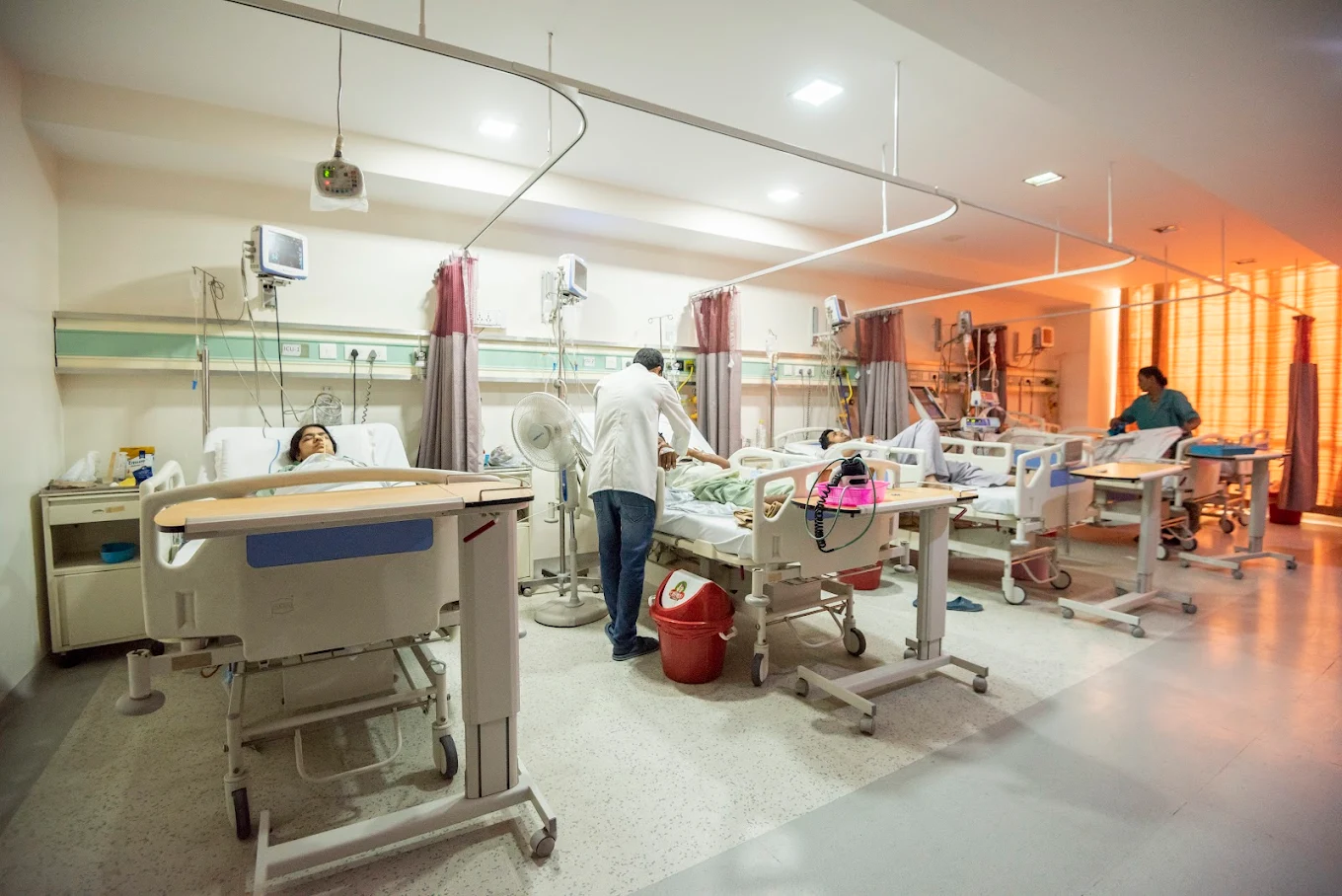
In reality, the ICU is designed to provide the highest level of monitoring and treatment for critically ill patients. Early ICU admission often allows specialists to identify complications quickly and begin advanced treatment before irreversible damage occurs.
Prompt critical care improves the chances of recovery for many patients.
Respiratory emergencies can worsen within hours. Delaying treatment increases the risk of serious complications.
Consulting a Critical Care Pulmonology Doctor in Abhay Khand offers several advantages:
Immediate stabilization
Continuous respiratory monitoring
Faster diagnosis
Early treatment of complications
Coordinated ICU care
Improved recovery outcomes
Early intervention saves valuable time when every breath matters.
According to the Society of Critical Care Medicine (SCCM), early recognition and prompt ICU management remain key factors in improving survival among patients with respiratory failure, severe pneumonia, and sepsis. Current critical care guidelines emphasize multidisciplinary treatment and continuous monitoring to reduce complications and support faster recovery.
This highlights why severe breathing problems should always be treated as a medical emergency.
Families facing respiratory emergencies need confidence in both the treatment plan and the medical team.
Patients appreciate specialists who:
Respond quickly during emergencies
Communicate clearly with families
Explain treatment decisions in simple language
Coordinate care with other specialists
Focus on both immediate recovery and long-term lung health
This compassionate, evidence-based approach has helped many critically ill patients receive timely and effective care.
Dr. Ankit Bhatia is experienced in pulmonary medicine and critical care, with expertise in managing respiratory failure, severe lung infections, COPD, asthma, and other life-threatening pulmonary conditions. He is known for his patient-focused approach, evidence-based treatment, and commitment to providing compassionate care during medical emergencies.
A critical care pulmonology doctor is a specialist trained to manage severe lung diseases and respiratory emergencies, particularly patients requiring ICU care and advanced breathing support.
Ventilator support may be required when the lungs cannot provide enough oxygen or remove enough carbon dioxide, often due to severe infections, respiratory failure, or serious lung disease.
Yes. Many patients recover well after receiving timely critical care, although recovery depends on the severity of the illness and the patient's overall health.
Severe breathing problems should never be ignored. Whether it's a sudden drop in oxygen levels, a serious lung infection, or respiratory failure, early treatment can make a life-saving difference.
If you're searching for a trusted Critical Care Pulmonology Doctor in Abhay Khand, consult an experienced specialist who can provide advanced respiratory care, accurate diagnosis, and compassionate support when it matters most.