

A loved one suddenly develops severe breathlessness. Their oxygen levels start dropping, and within minutes, they're rushed to the hospital. Everything happens so fast that you're left wondering who is managing such a critical situation.
This is where a critical care specialist steps in.
At our center, we've supported many families during medical emergencies. One thing we've learned is that timely intervention by a Critical Care in Vasundhara Sector 1 can significantly improve a patient's chances of recovery when every second matters.
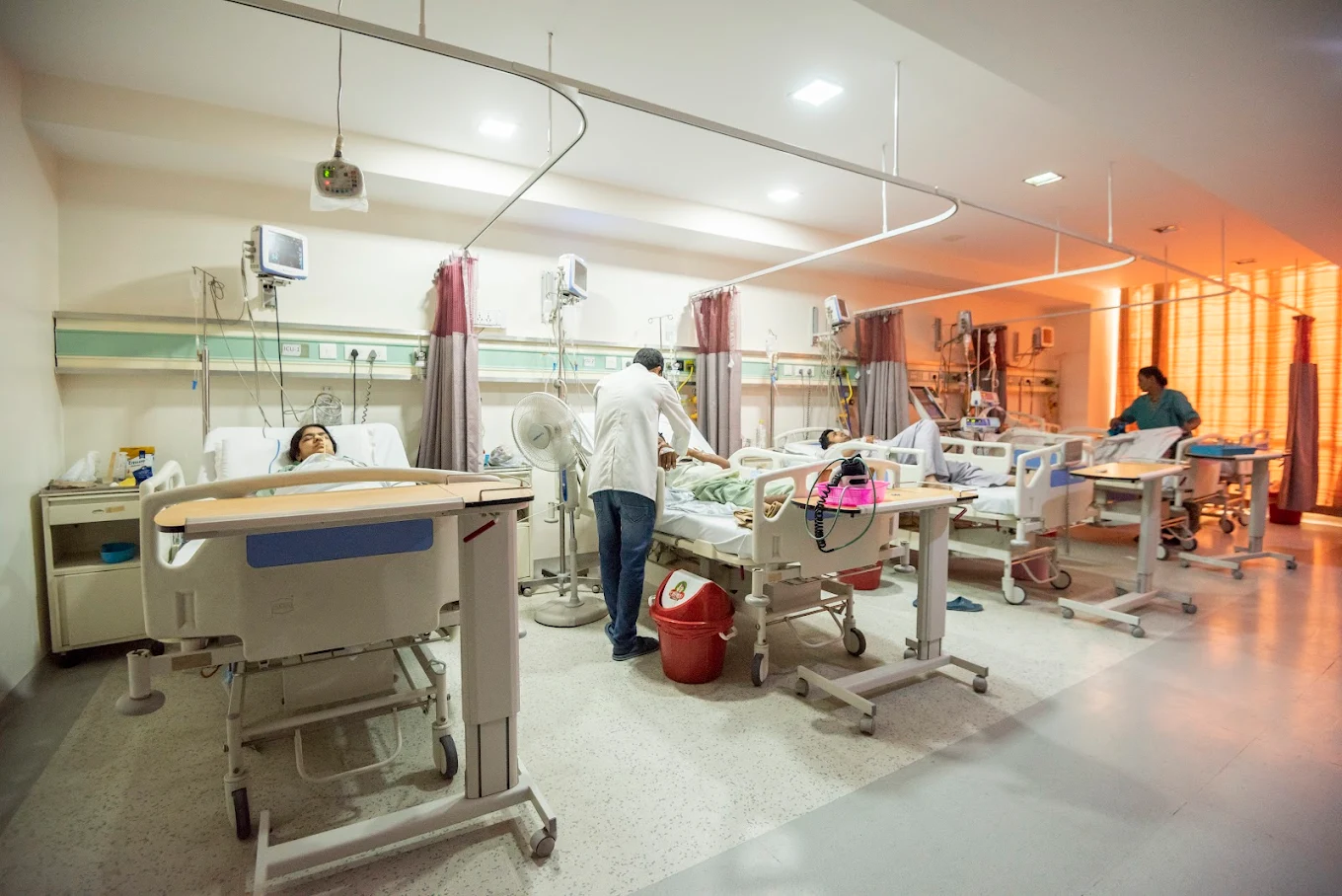
A critical care specialist, also known as an intensivist, is a doctor trained to manage patients with life-threatening illnesses or injuries. They work in Intensive Care Units (ICUs) and closely monitor patients whose vital organs need constant support.
They commonly treat conditions such as:
Severe pneumonia
Respiratory failure
Sepsis (serious infection affecting the body)
Acute asthma attacks
COPD flare-ups
Multi-organ failure
Serious infections
Poisoning
Trauma and accidents
Post-surgical complications
Their role is to stabilize the patient, identify the root cause, and coordinate advanced medical care around the clock.
Unlike routine doctor visits, patients usually don't plan to meet a critical care specialist.
However, their expertise becomes essential if someone experiences:
Severe difficulty breathing
Extremely low oxygen levels
Sudden unconsciousness
Septic shock
Serious chest infections requiring ICU care
Acute respiratory distress
Multiple organ dysfunction
Complications after major surgery
Life-threatening asthma or COPD attacks
These situations require continuous monitoring and immediate medical decisions.
Critical care specialists use advanced equipment and treatments to support the body's vital functions while treating the underlying illness.
Depending on the patient's condition, they may oversee:
When a patient cannot breathe adequately on their own, mechanical ventilation helps maintain oxygen supply until the lungs recover.
Continuous monitoring of blood pressure, oxygen levels, heart rate, and organ function allows doctors to detect changes immediately.
Serious infections such as sepsis require rapid diagnosis, appropriate antibiotics, and close monitoring to prevent organ damage.
If organs like the kidneys or lungs begin to fail, intensive care specialists coordinate life-support measures and specialized treatments.
One of our patients, a 67-year-old gentleman, arrived with severe pneumonia and dangerously low oxygen levels. His family initially believed oxygen therapy alone would be enough.
After evaluation, our critical care team immediately started ventilatory support, advanced antibiotics, and continuous ICU monitoring. Within several days, his infection began responding, and he was gradually weaned off respiratory support before being discharged safely.
Early critical care made a significant difference in his recovery.
Many people believe that ICU admission means there is no hope.
In reality, an ICU exists to provide the highest level of monitoring and treatment when patients are critically ill. Many patients recover successfully because intensive care allows specialists to respond to changes within minutes instead of hours.
Seeking ICU care early is often a sign of proactive treatment—not a reason to lose hope.
Critical illnesses can worsen rapidly.
Prompt care from a Critical Care in Vasundhara Sector 1 offers several advantages:
Faster stabilization
Continuous monitoring
Early identification of complications
Better coordination among specialists
Improved recovery outcomes
Reduced risk of long-term organ damage
The sooner appropriate treatment begins, the greater the opportunity to prevent serious complications.
According to the Society of Critical Care Medicine (SCCM), early recognition and timely ICU management remain among the most important factors associated with improved survival in patients with severe infections, respiratory failure, and other critical illnesses. Updated critical care protocols continue to emphasize rapid intervention and multidisciplinary management.
This reinforces why delaying emergency care can significantly affect outcomes.
Families facing a medical emergency need more than advanced equipment—they need confidence in the team caring for their loved one.
Patients appreciate specialists who:
Make quick, evidence-based decisions
Communicate clearly with families
Coordinate care with multiple specialists
Monitor patients continuously
Focus on both immediate recovery and long-term health
These qualities are what families often seek when looking for a Critical Care in Vasundhara Sector 1.
Dr. Ankit Bhatia is experienced in managing critically ill patients with respiratory and pulmonary conditions. Known for his calm, patient-centered approach, he combines clinical expertise with evidence-based critical care to help patients facing severe lung infections, respiratory failure, COPD exacerbations, and other complex medical emergencies while keeping families informed throughout treatment.
A pulmonologist focuses on diagnosing and treating lung diseases, while a critical care specialist manages patients with life-threatening conditions who require intensive monitoring, often in an ICU.
No. Most cases can be treated without ICU admission. Critical care is recommended only when pneumonia causes severe breathing problems, low oxygen levels, or other serious complications.
Yes. Many patients recover well with timely diagnosis, expert intensive care, and proper follow-up, although recovery time depends on the severity of the illness.
Critical illnesses demand immediate attention and experienced medical care. If you or a loved one is facing severe breathing problems, serious infections, or a life-threatening respiratory condition, don't delay seeking expert help.
If you're looking for a Critical Care in Vasundhara Sector 1, consult an experienced specialist who can provide timely diagnosis, advanced ICU management, and compassionate care focused on achieving the best possible outcome.
| Tags: | #Critical Care in Gyan Khand , # Critical Care in Vasundhara Sector 1 , # Critical Care in Vasundhara Sector 3 , # Critical Care in Vasundhara Sector 4 |