

| Category | Critical Care Pulmonology |
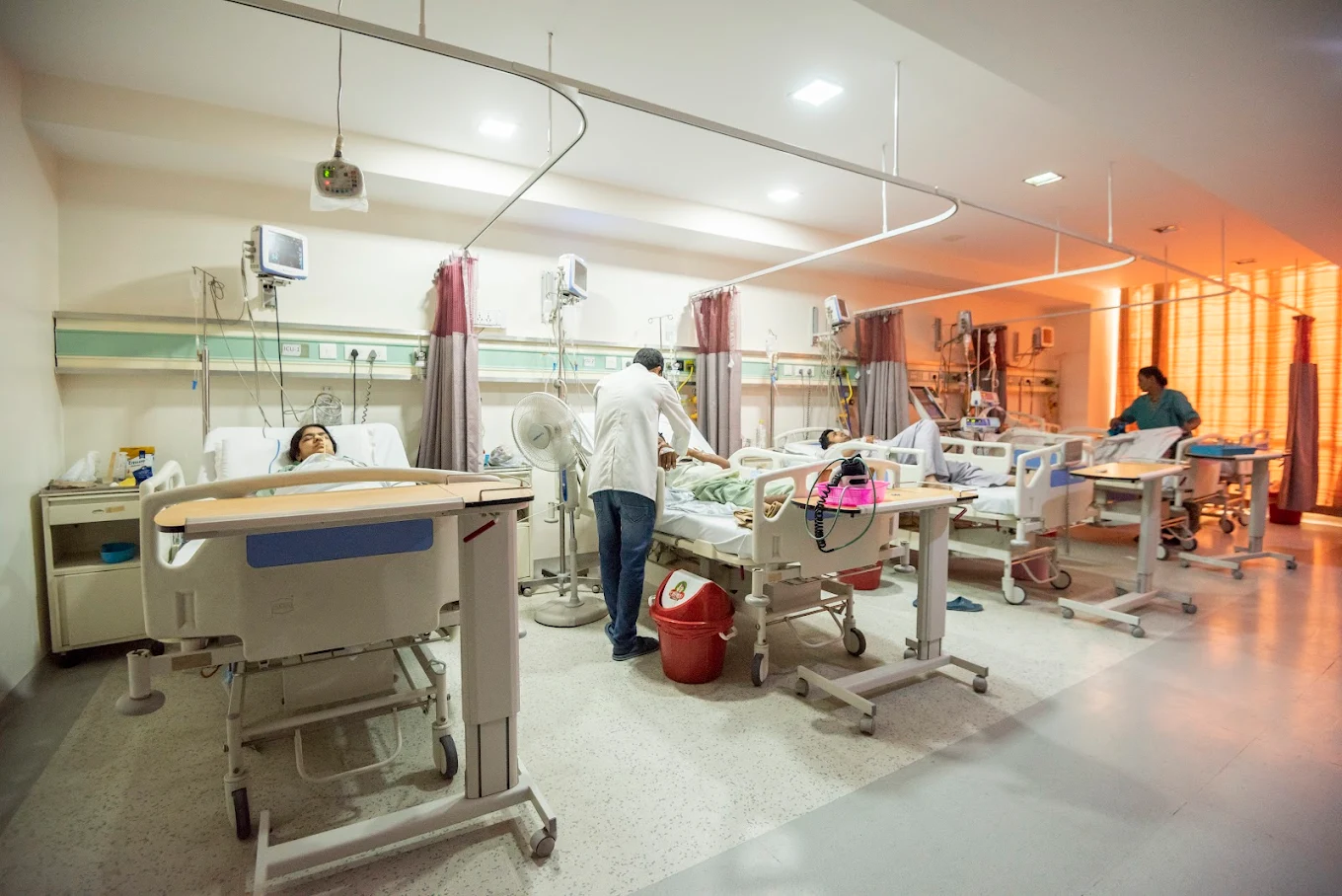
Critical Care Pulmonology is a specialized field of medicine that focuses on the management of critically ill patients suffering from severe respiratory and chest diseases. It combines expertise in pulmonary medicine with intensive care management to provide life-saving treatment for conditions such as respiratory failure, severe pneumonia, acute asthma attacks, chronic obstructive pulmonary disease (COPD) exacerbations, sepsis, and complex lung infections.
If you are looking for Critical Care Pulmonology in Indirapuram, Dr Ankit Bhatia provides advanced respiratory and intensive care services with a patient-centered approach. Early intervention, modern technology, and expert critical care management play a crucial role in improving outcomes and supporting recovery.
Critical Care Pulmonology is a medical specialty dedicated to diagnosing and treating life-threatening respiratory disorders that require close monitoring and intensive care.
A critical care pulmonologist specializes in:
The primary objective is to stabilize critically ill patients, support breathing, and treat the underlying disease effectively.
Respiratory failure occurs when the lungs cannot provide sufficient oxygen or remove carbon dioxide effectively. Immediate medical intervention and ventilatory support may be required.
Serious lung infections can lead to breathing difficulties, low oxygen levels, and complications requiring ICU care.
Patients with COPD may develop sudden worsening of symptoms such as severe breathlessness, wheezing, and low oxygen levels that require critical care management.
Severe asthma attacks can become life-threatening if not treated promptly with intensive respiratory support.
Infections affecting the lungs can spread throughout the body, causing sepsis, a medical emergency that requires intensive monitoring and treatment.
ARDS is a severe inflammatory condition causing fluid accumulation in the lungs, leading to dangerously low oxygen levels.
Complicated pleural effusions and empyema may require drainage procedures and close monitoring in the ICU.
Patients with severe COVID-19 or post-COVID lung damage often need specialized pulmonary and critical care management.
Seek urgent medical attention if you experience:
Prompt treatment can significantly improve outcomes and prevent life-threatening complications.
Accurate diagnosis is essential for effective treatment.
Dr Ankit Bhatia performs a comprehensive evaluation of symptoms, medical history, and physical examination.
Helps detect pneumonia, lung collapse, pleural effusion, and other chest abnormalities.
Provides detailed imaging of lung tissues and helps evaluate severe respiratory conditions.
ABG analysis measures oxygen and carbon dioxide levels in the blood to assess respiratory function.
These tests evaluate lung capacity and airflow in patients with chronic respiratory diseases.
Bronchoscopy may be used to examine airways, remove secretions, or obtain tissue samples for diagnosis.
Blood tests help identify infections, inflammation, and organ function abnormalities.
Supplemental oxygen helps maintain adequate oxygen levels in patients with respiratory distress.
NIV provides breathing support using a mask without the need for intubation.
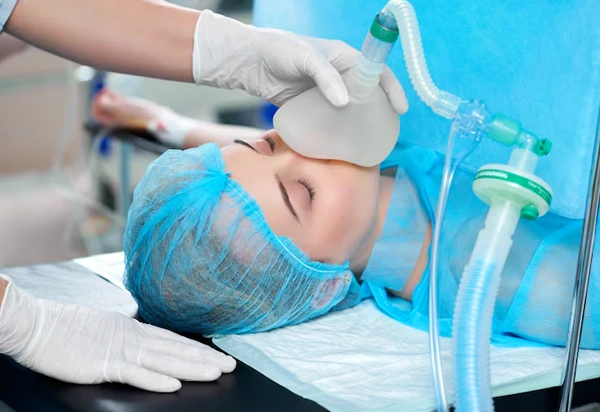
Patients with severe respiratory failure may require ventilator support to assist breathing.
Advanced bronchoscopic procedures help diagnose and treat airway obstructions, infections, and bleeding.
Targeted medications are prescribed based on the underlying infection.
Drainage of pleural fluid and management of pleural diseases improve breathing and reduce complications.
Breathing exercises and rehabilitation programs support recovery and improve lung function after critical illness.
Early and specialized critical care offers several advantages:
Timely intervention reduces complications and improves patient outcomes.
Advanced ventilatory techniques help maintain oxygen levels and reduce breathing effort.
Rapid investigations help identify the exact cause of respiratory distress.
Comprehensive ICU management decreases the risk of organ failure and long-term complications.
Personalized treatment and rehabilitation support quicker recovery and improved quality of life.
Recovery after critical illness varies depending on the severity of the condition.
Important aspects of recovery include:
Ongoing care is essential to restore lung health and prevent future complications.
Dr Ankit Bhatia specializes in managing complex respiratory diseases and critically ill patients.
Advanced diagnosis and treatment for respiratory failure, lung infections, COPD, asthma, and post-COVID complications.
Access to bronchoscopy, imaging, pulmonary function tests, and intensive respiratory monitoring.
Treatment plans are tailored to each patient's medical condition and recovery goals.
Evidence-based treatment protocols with an emphasis on patient safety and long-term respiratory health.
Critical Care Pulmonology plays a vital role in the treatment of severe respiratory illnesses and life-threatening lung conditions. Advanced ICU care, ventilatory support, and specialized pulmonary expertise help stabilize patients, improve outcomes, and support long-term recovery.
If you are searching for Critical Care Pulmonology in Indirapuram, consult Dr Ankit Bhatia for expert respiratory care, advanced critical care management, and compassionate support during every stage of treatment.
Critical Care Pulmonology is a specialty that focuses on treating severe lung diseases and critically ill patients requiring intensive care and respiratory support.
Conditions such as respiratory failure, severe pneumonia, COPD exacerbation, ARDS, severe asthma, sepsis, and post-COVID lung complications may require critical care management.
Mechanical ventilation is a life-support technique that helps patients breathe when their lungs cannot function adequately on their own.
Yes. Early diagnosis, intensive monitoring, antibiotics, and respiratory support significantly improve treatment outcomes.
Recovery varies depending on the condition and severity, but regular follow-up and pulmonary rehabilitation help patients regain lung function and improve quality of life.