


| Category | Tuberculosis and Lung Infection Management |
Tuberculosis (TB) and lung infections are among the most common respiratory conditions affecting people of all age groups. While some infections are mild and resolve with treatment, others can become severe and lead to long-term lung damage if not diagnosed and managed promptly. Symptoms such as persistent cough, fever, chest pain, breathlessness, weight loss, and fatigue should never be ignored.
If you are looking for Tuberculosis & Lung Infection Management in Indirapuram, Dr Ankit Bhatia provides comprehensive evaluation, accurate diagnosis, and advanced treatment plans tailored to each patient's condition. Early intervention helps prevent complications, promotes faster recovery, and improves overall lung health.
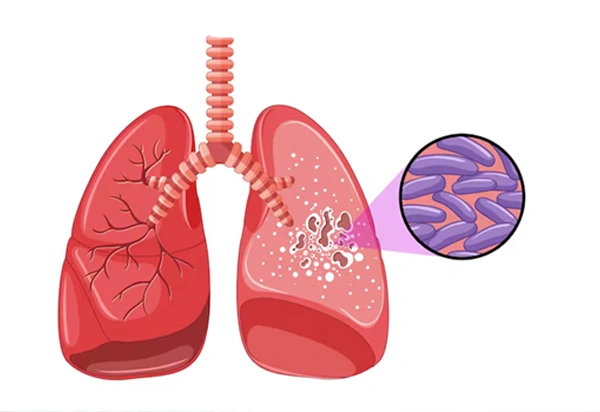
Tuberculosis is a contagious bacterial infection caused by Mycobacterium tuberculosis. It primarily affects the lungs but can also involve other organs such as lymph nodes, bones, brain, kidneys, and spine.
TB spreads through tiny droplets released into the air when an infected person coughs, sneezes, or speaks. Although tuberculosis is a serious disease, it is curable with timely diagnosis and proper treatment.
There are different forms of tuberculosis:
This is the most common form and affects the lungs.
TB can spread beyond the lungs and affect organs such as lymph nodes, bones, abdomen, or brain.
In latent TB, the bacteria remain inactive in the body without causing symptoms. However, it may become active later, especially if immunity weakens.
This form of TB does not respond to standard anti-tubercular medications and requires specialized treatment.
Lung infections occur when bacteria, viruses, fungi, or other microorganisms infect the lungs or airways.
Common lung infections include:
These infections may range from mild to severe and require prompt medical attention to prevent complications.
The symptoms vary depending on the type and severity of infection.
Common symptoms include:
If you experience these symptoms, seeking early Tuberculosis & Lung Infection Management in Indirapuram can help prevent disease progression.
Several factors increase the risk of developing TB or lung infections.
People with diabetes, HIV, cancer, or those taking immunosuppressive medications are at higher risk.
Smoking damages the lungs and reduces their ability to fight infections.
Living or working with someone who has active tuberculosis increases the risk of infection.
Patients with asthma, COPD, bronchiectasis, or lung fibrosis are more susceptible to recurrent infections.
Poor nutrition weakens immunity and increases vulnerability to infections.
Long-term exposure to pollution and harmful environmental particles can affect lung health and increase infection risk.
Accurate diagnosis is essential for effective treatment.
Dr Ankit Bhatia performs a detailed assessment of symptoms, medical history, and risk factors.
A chest X-ray helps identify lung abnormalities associated with TB and other infections.
CT scans provide detailed images of the lungs and are useful for evaluating complex infections.
Sputum samples are examined to identify bacteria causing infection, including tuberculosis.
Advanced molecular tests help detect TB bacteria quickly and identify drug resistance.
In difficult cases, bronchoscopy may be recommended to obtain tissue or fluid samples for diagnosis.
Blood tests help assess infection severity and overall health.
Tuberculosis is treated with a combination of anti-tubercular medications taken for several months.
Completing the full course of treatment is extremely important to:
Patients with drug-resistant TB require specialized medications and close monitoring.
Healthy nutrition and adequate rest support faster recovery and strengthen immunity.
Periodic follow-up and investigations help monitor treatment response and ensure successful recovery.
Treatment depends on the underlying cause and severity of infection.
Bacterial infections are treated with appropriate antibiotics based on the type of organism.
Specific medications are prescribed for viral and fungal infections.
Nebulization helps relieve wheezing and breathing difficulties.
Patients with low oxygen levels may require supplemental oxygen.
Breathing exercises and rehabilitation improve lung function and speed up recovery.
Adequate hydration, rest, and nutritional support play an important role in recovery.
Ignoring symptoms or delaying treatment can lead to serious complications such as:
Early diagnosis significantly reduces the risk of these complications.
Dr Ankit Bhatia has extensive experience in diagnosing and treating complex respiratory infections.
Advanced investigations including bronchoscopy, imaging, and molecular diagnostic tests.
Each patient receives treatment based on their symptoms, diagnosis, and overall health condition.
Specialized care for multidrug-resistant and complicated tuberculosis cases.
Complete management of TB, pneumonia, COPD, asthma, bronchiectasis, and other lung diseases under one roof.
Tuberculosis and lung infections can significantly affect your health and quality of life if left untreated. Early diagnosis, proper investigations, and timely treatment are essential for preventing complications and ensuring complete recovery.
If you are searching for Tuberculosis & Lung Infection Management in Indirapuram, consult Dr Ankit Bhatia for expert pulmonary care, advanced diagnostic services, and personalized treatment plans designed to restore your respiratory health.
Persistent cough, fever, night sweats, weight loss, chest pain, and fatigue are common early symptoms of TB.
Yes. Tuberculosis is curable when diagnosed early and treated with the complete course of prescribed medications.
Yes. Severe or untreated lung infections can lead to complications such as lung damage, respiratory failure, and recurrent infections.
TB is diagnosed using chest X-rays, sputum tests, CBNAAT, CT scans, bronchoscopy, and other laboratory investigations.
You should seek medical attention if you have persistent cough, fever, breathlessness, chest pain, or recurrent respiratory infections.